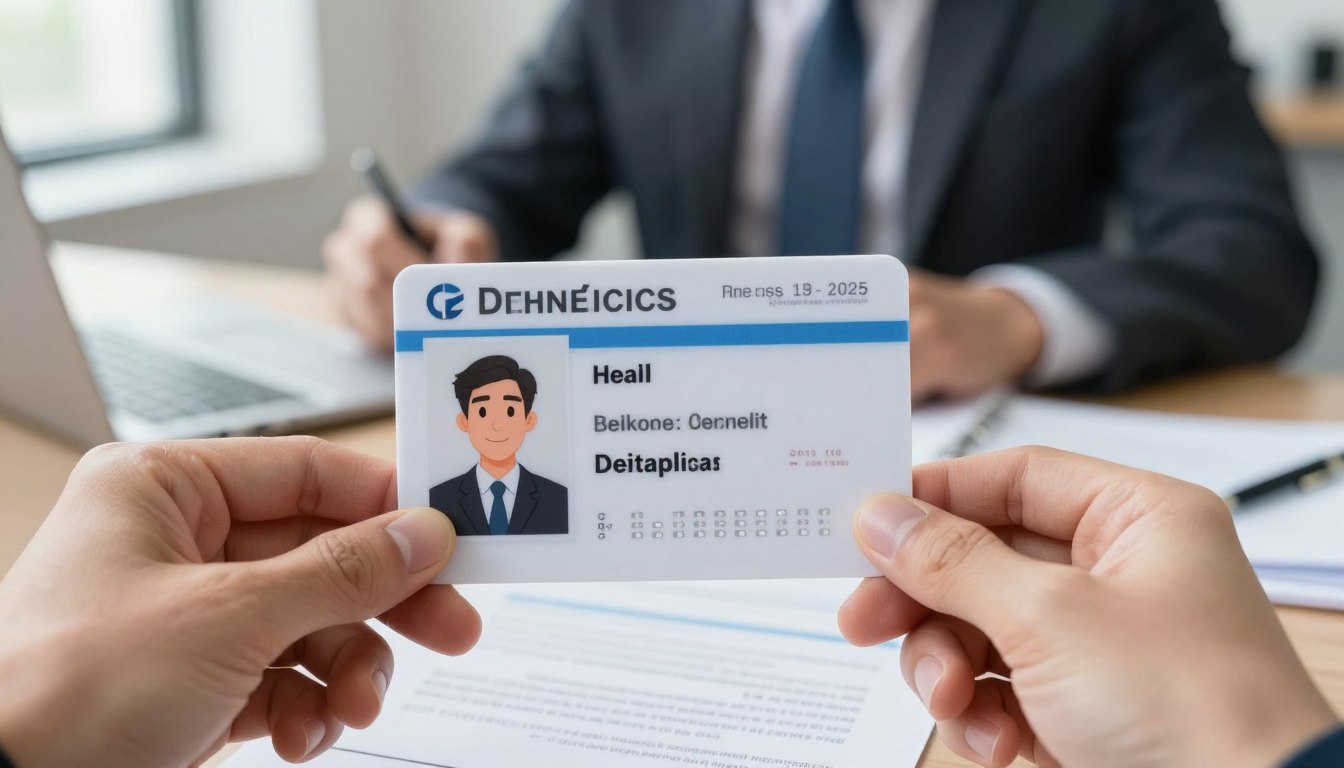
Have you ever wondered where to go first when you need a disability identification card? It unlocks real benefits like parking privileges, program access, and discounts.
A disabled ID card is official proof of disability status. It helps you get services and accommodations across the United States. It can give you reserved parking, transit discounts, and help with income and health programs.
Benefits from a disabled ID vary by state and program. You need supporting documents and medical proof. Common documents include a health card, passport, state ID, Social Security info, and a doctor’s statement.
Applying for disability programs has two steps. First, you check if you qualify financially. Then, you prove you have a disability. You’ll need to gather documents and talk to caseworkers who might ask for more info.
To start, collect your documents and find out how to apply in your state. Be ready to work with program staff. The best place to get a disability ID card is at disability-card.com. They make it easy and fast to get your benefits.
Understanding the Disabled ID Card
The disabled id card is a special card. It shows a person has a disability. This card helps them get special help and places.
It proves they need things like special parking and health services. It makes it easier to get these things.
Definition and Purpose
A disability identification card is a special document. It shows a person needs special help. This card helps them get things like special seats and housing.
It makes it easier to get these things. It shows they need them.
Eligibility Requirements
To get this card, you must live in the area. You also need a disability that really limits you. This must last at least a year or be expected to.
It’s about big things like working or taking care of yourself. A doctor must say you have this disability.
Some programs also check how much money you make. But, some rules are different for veterans or people with long-term illnesses.
You might need to show things like your health card and ID. You might also need your birth certificate or passport. Having these ready helps.
Application Process
You can apply online, by phone, or in person. Online takes about 20-30 minutes. It has two parts: checking your money and if you really need the card.
A caseworker will call you after you apply. How long it takes can vary. Some cases take months.
If you really need help, you can apply for temporary programs. Make sure you have all your medical papers ready. This helps your application.
If you need help, call the program during business hours. They can help you. They also have services for people who are deaf or hard of hearing.
Don’t buy things before you get approval. This can cause problems later.
Benefits of Holding a Disabled ID Card
A disabled ID card opens doors to support and services. It quickly shows you have a disability. This makes it easier to get help with daily needs and special equipment.
Access to Government Services
Having a disabled ID card can help you get income support and health benefits. These programs help with living costs and medical needs. They give money for basic needs and shelter.
It can also get you dental coverage for dependents and supplies for diabetes, prosthetics, and vision care. Municipal programs may give items like bath aids and mobility device assessments if you get certain income supports.
Discounts and Special Programs
A handicap ID card can get you discounts on transit and utility bills. It may also lower or waive fees at public places. Students with a disability ID may get extra money for school.
There are programs that give grants for services and equipment. For example, there’s a Canada Student Grant for Services and Equipment. You need proof of disability and income support to get these discounts.
Improved Accessibility Options
A disability ID card helps you get practical accommodations. This includes parking permits, priority seating, and visual alert systems. It also helps with approved assistive device assessments.
You need medical prescriptions or a letter from a doctor to get equipment and home changes. Municipal funding needs approval before you can buy things. A caseworker or program contact center can help you get and keep these supports. Online applications can give you updates and process things faster.
State-Specific Regulations and Variations
Rules for a handicap ID card change from state to state. Some states give a special ID card. Others add a tag to a regular driver’s license or offer parking permits through the DMV.
Overview of Different States’ Policies
Every state has its own rules for who can get a handicap ID. They also have different ways to prove you need one. Things like parking or discounts on public transport can vary too.
How to Navigate State Regulations
First, check your state’s DMV for info on getting a disabled ID. Look at your state’s disability services or health department for what you need to apply.
Get your medical papers, proof you live there, ID, and financial info ready. You can use online tools or call state offices for help. They might have TTY numbers or email for those who need it.
Don’t buy things or hire services until you’re sure you’ll get funding. This way, you won’t lose money if you’re not approved.
Resources for State-Specific Information
Visit your state’s DMV website for forms on ID cards and parking permits. Check your state’s disability services page for income and health help. Local special-supports programs have their own rules and how to apply.
Call program phone lines, toll-free numbers, and visit regional offices for help. Many places let you apply online, by phone, or in person. They also have lists of what documents you need.
Advocacy and Support for ID Card Holders
Getting a disabled ID card is easier with help. State and local offices, DMV, and student aid can guide you. They help with forms for a disabled ID card.
For tough cases, legal aid clinics and disability groups help. They assist with appeals and paperwork. They work with social workers and doctors to help.
You can help others by joining groups or volunteering. You can also talk to your elected reps for better services. Working with service providers can speed up the process.
Good advocacy leads to better services. It helps with money, health care, and jobs. Being persistent and accurate in paperwork helps get benefits faster.